














In chemical processing environments, reliable flow control is essential for maintaining safety, product quality, and operational efficiency. Ball valves are among the most widely used valve types in the chemical industry due to their robust design, ease of operation, and ability to provide tight shut-off performance.
From handling aggressive acids and alkalis to controlling high-purity chemical processes, the correct selection of ball valve materials and construction is critical for ensuring long service life and minimising maintenance requirements.
What is a Ball Valve?
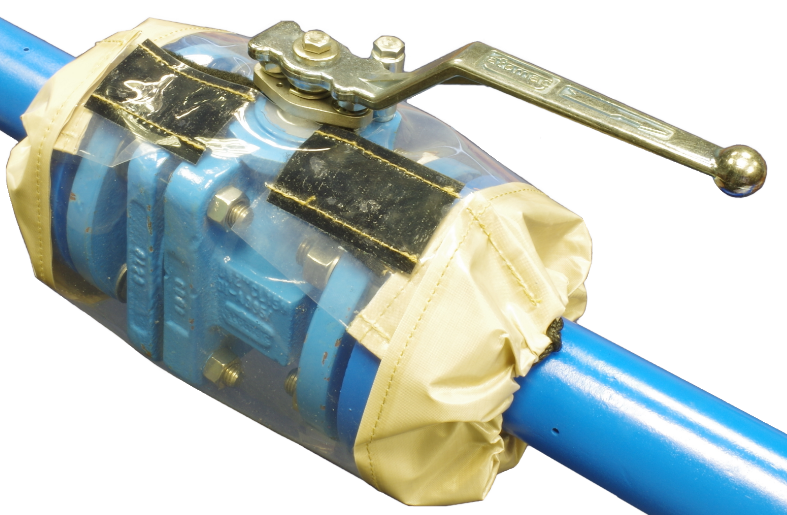
A ball valve is a quarter-turn valve that uses a spherical ball with a central bore to control the flow of liquids or gases.
When the valve handle is turned 90 degrees:
- The bore aligns with the pipeline, allowing full flow.
- The bore rotates perpendicular to the pipeline, stopping flow completely.
This simple operating principle provides quick, reliable isolation with minimal pressure loss when fully open.
Why Are Ball Valves Used in Chemical Processing?
Chemical plants often operate under demanding conditions involving:
• Corrosive chemicals
• Elevated temperatures
• High pressures
• Abrasive media
• Strict containment requirements
Ball valves offer several advantages that make them well suited to these applications.
Excellent Shut-Off Performance
One of the primary benefits of a ball valve is its ability to provide bubble-tight shut-off. This is crucial when handling hazardous or valuable process fluids where leakage cannot be tolerated.
Fast Operation
The quarter-turn design allows operators to quickly open or close a line, which can be particularly important during maintenance activities or emergency situations.
Low Pressure Drop
When fully open, a full-port ball valve provides an unrestricted flow path, helping to minimise pressure loss and improve process efficiency.
Reliability
With relatively few moving parts, ball valves are known for their durability and long operational life when properly selected and maintained.
Corrosion Challenges in Chemical Applications
While ball valves are suitable for many applications, material selection is vital when handling highly corrosive chemicals. Common process chemicals can rapidly attack conventional metallic valves, including:
• Hydrochloric acid
• Sulphuric acid
• Nitric acid
• Sodium hypochlorite
• Chlorine compounds
• Caustic solutions
In these environments, corrosion can lead to:
• Leakage
• Reduced service life
• Increased maintenance costs
• Unplanned downtime
• Safety risks
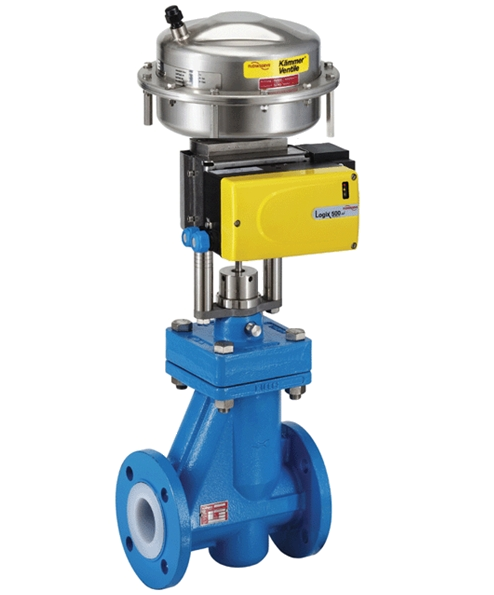
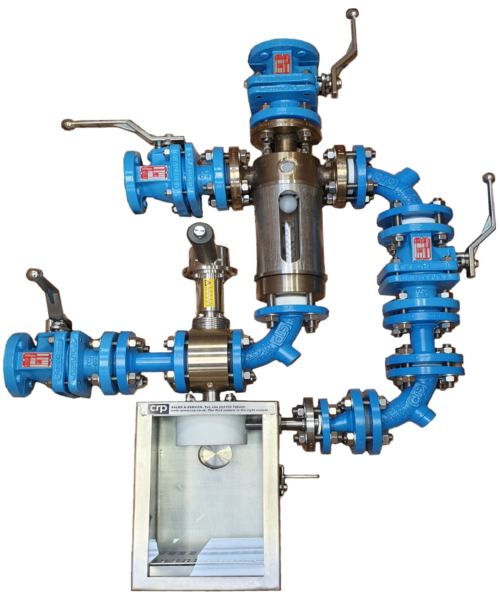
To address these challenges, many chemical plants utilise fluoropolymer-lined valve solutions.
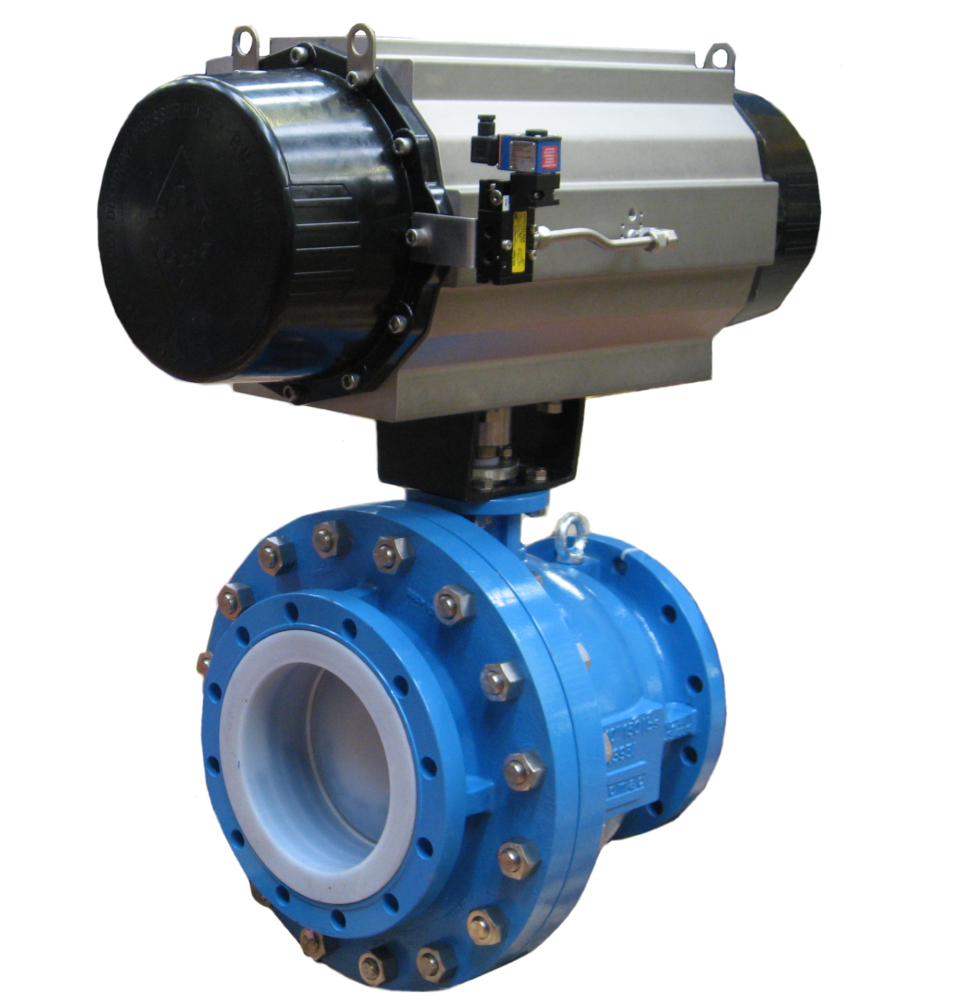
PTFE-Lined Ball Valves
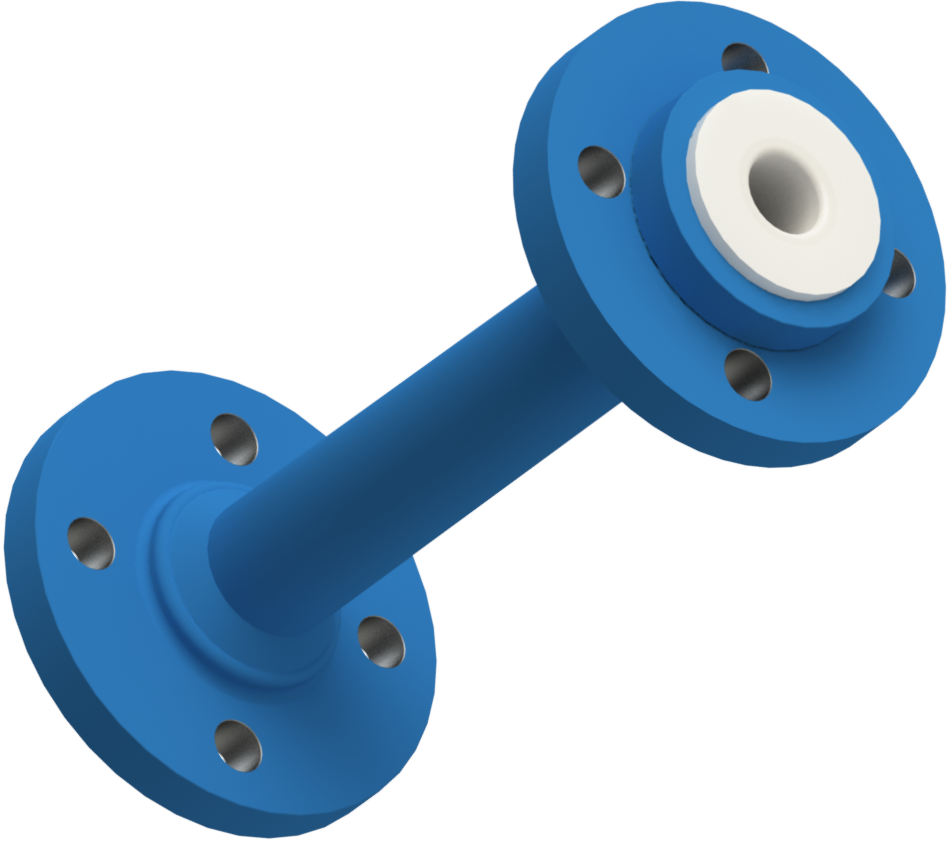
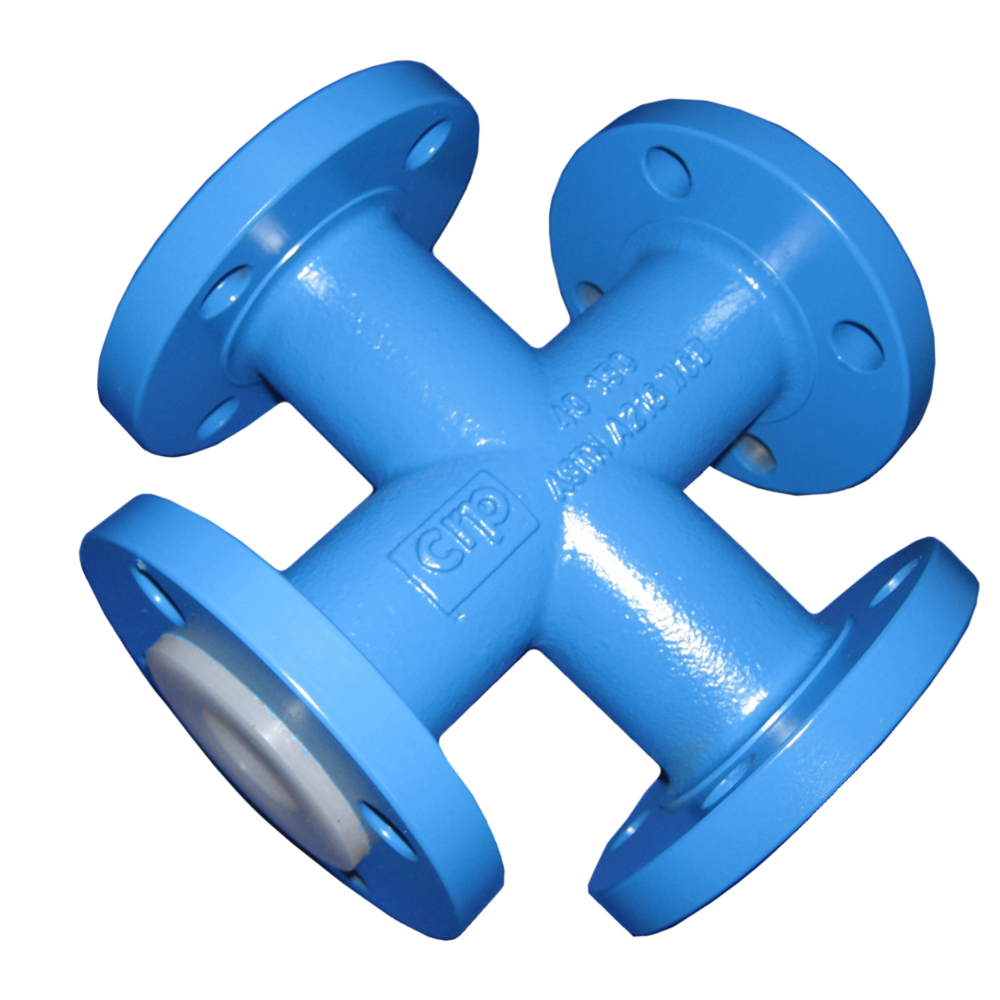
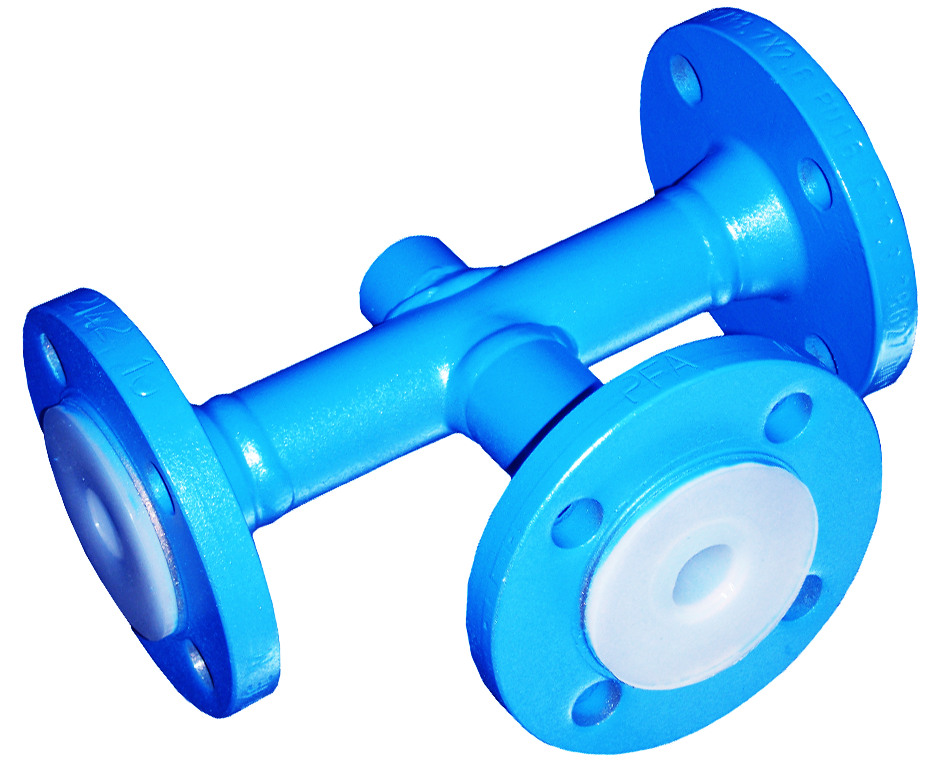
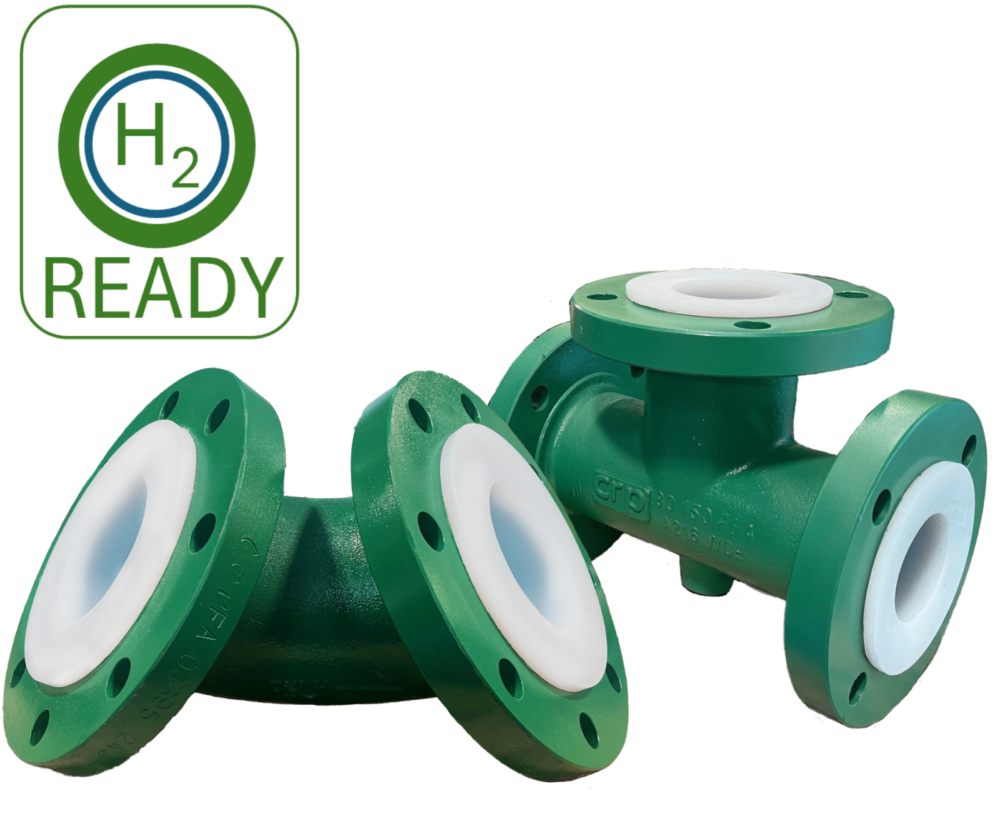
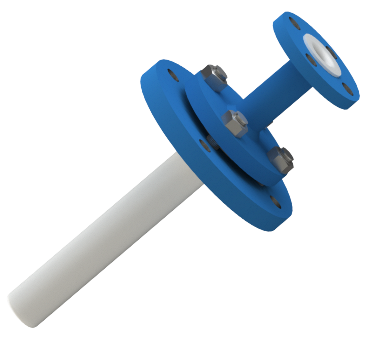
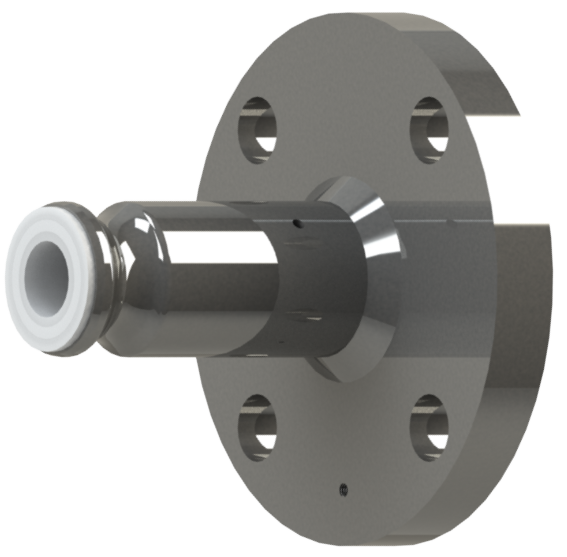
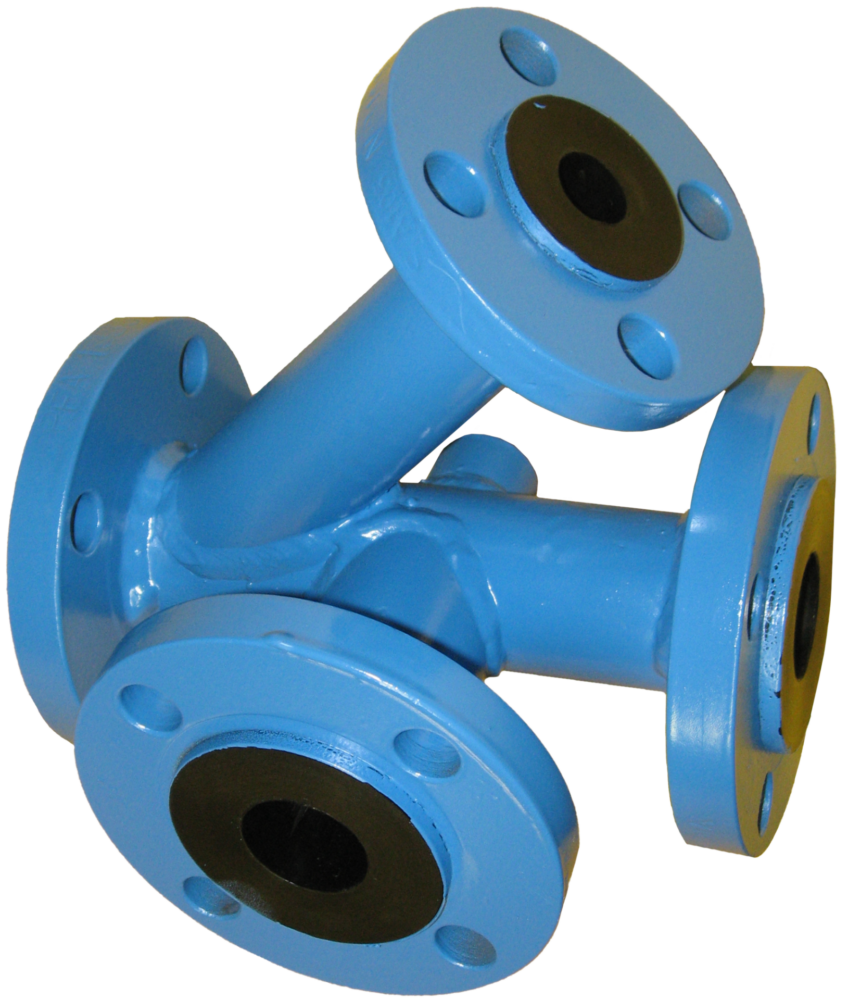
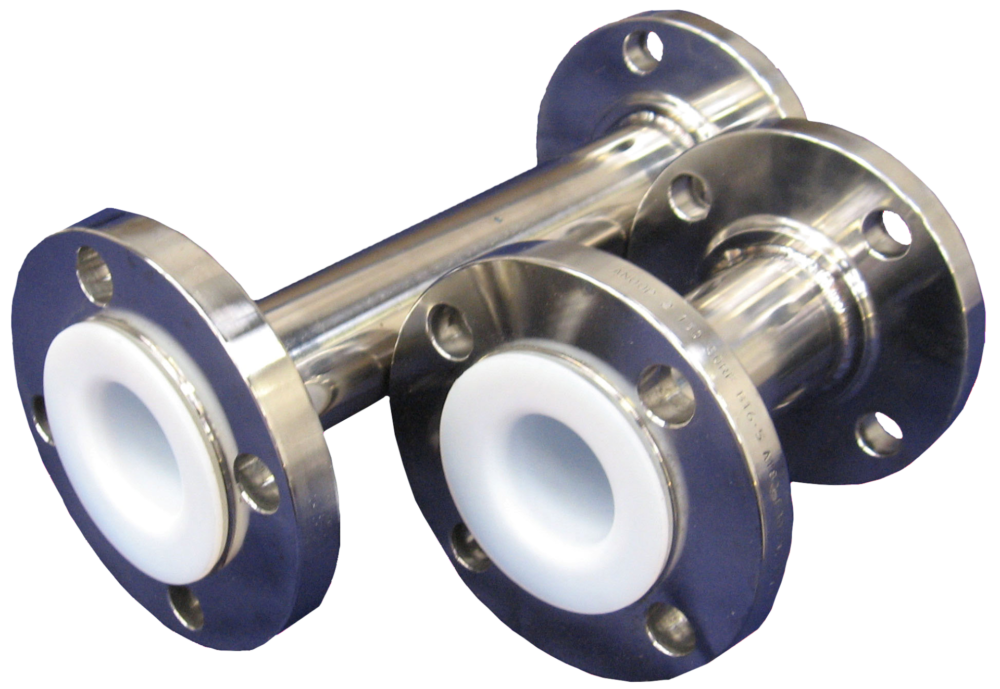
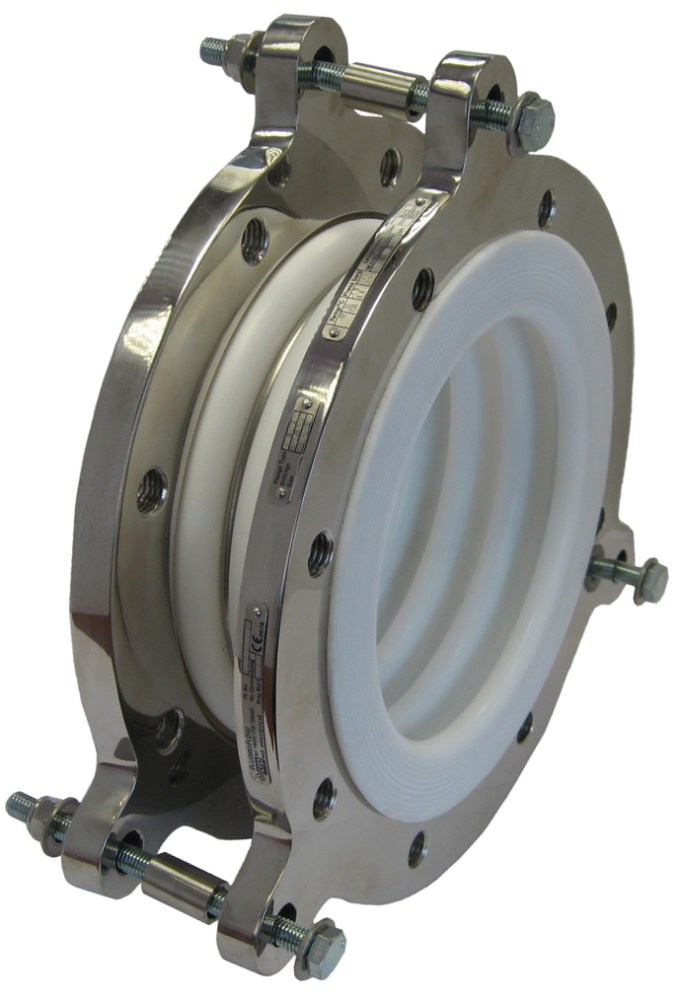
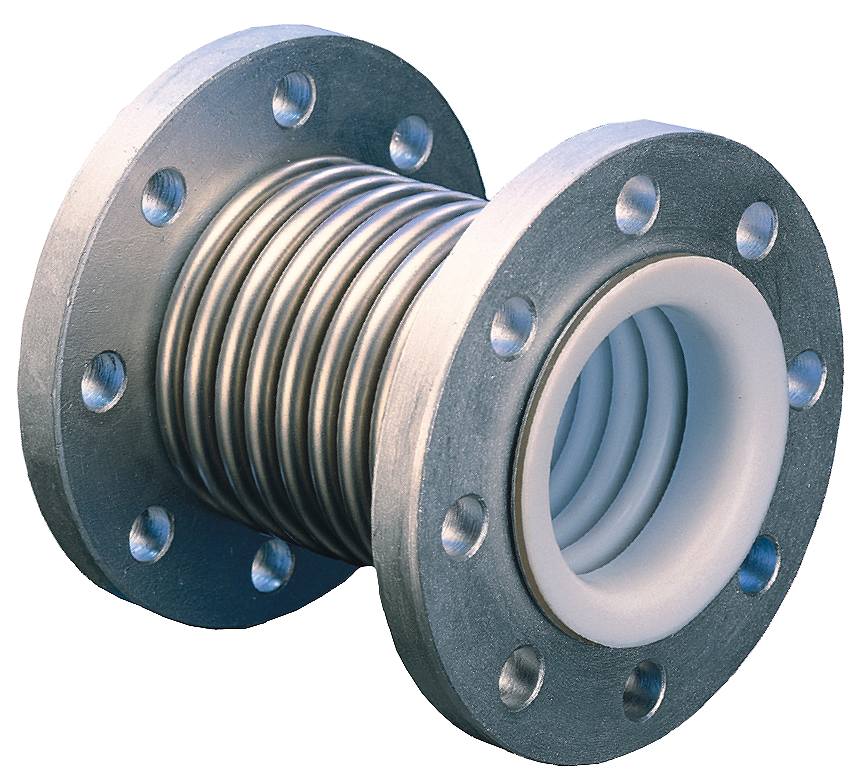
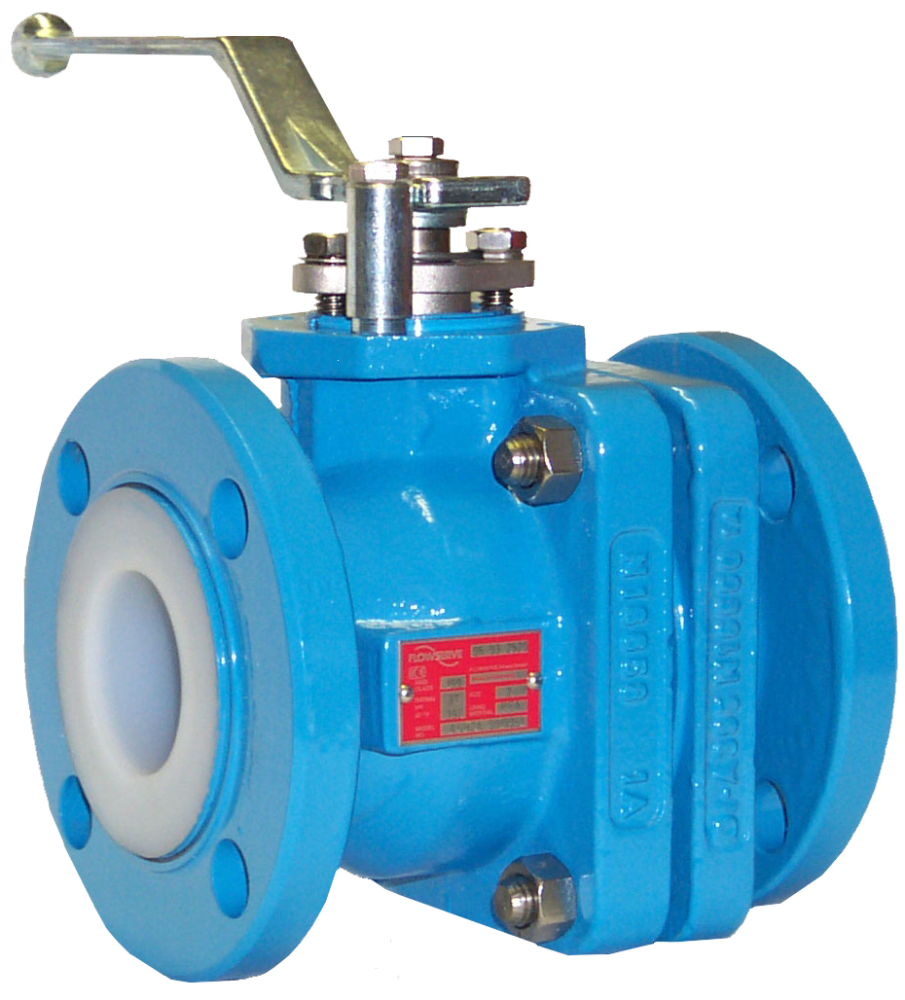
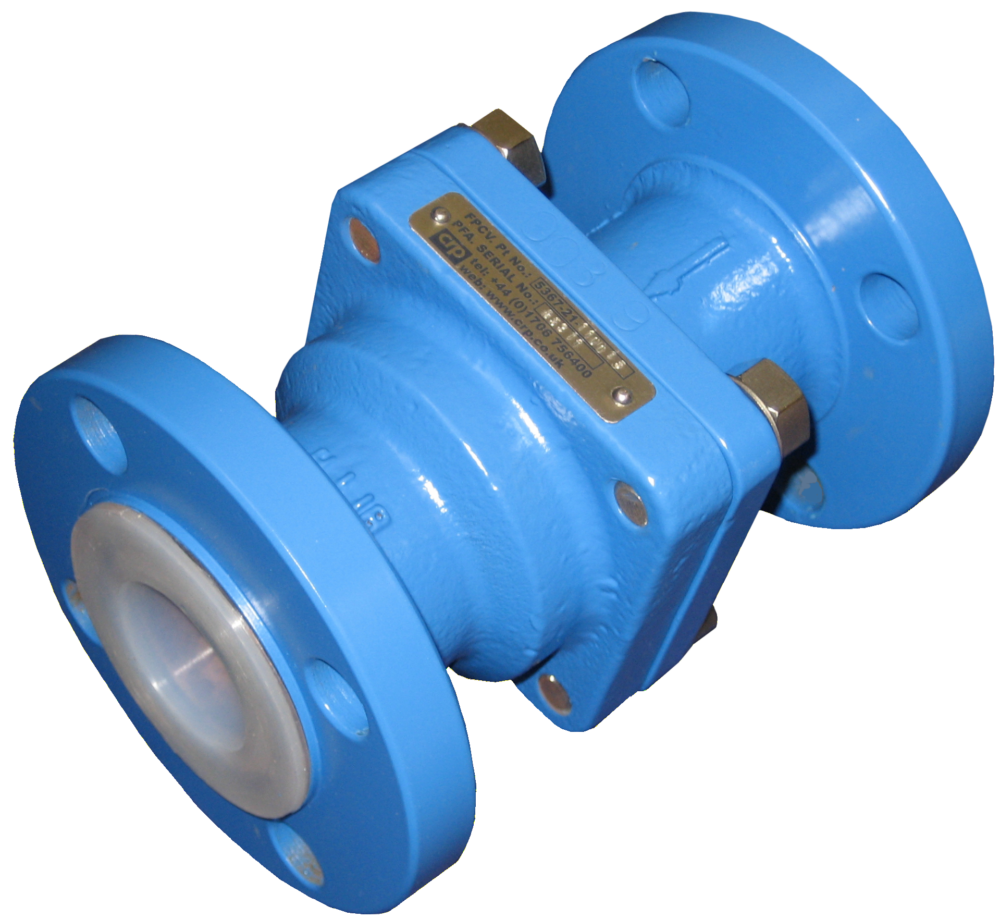
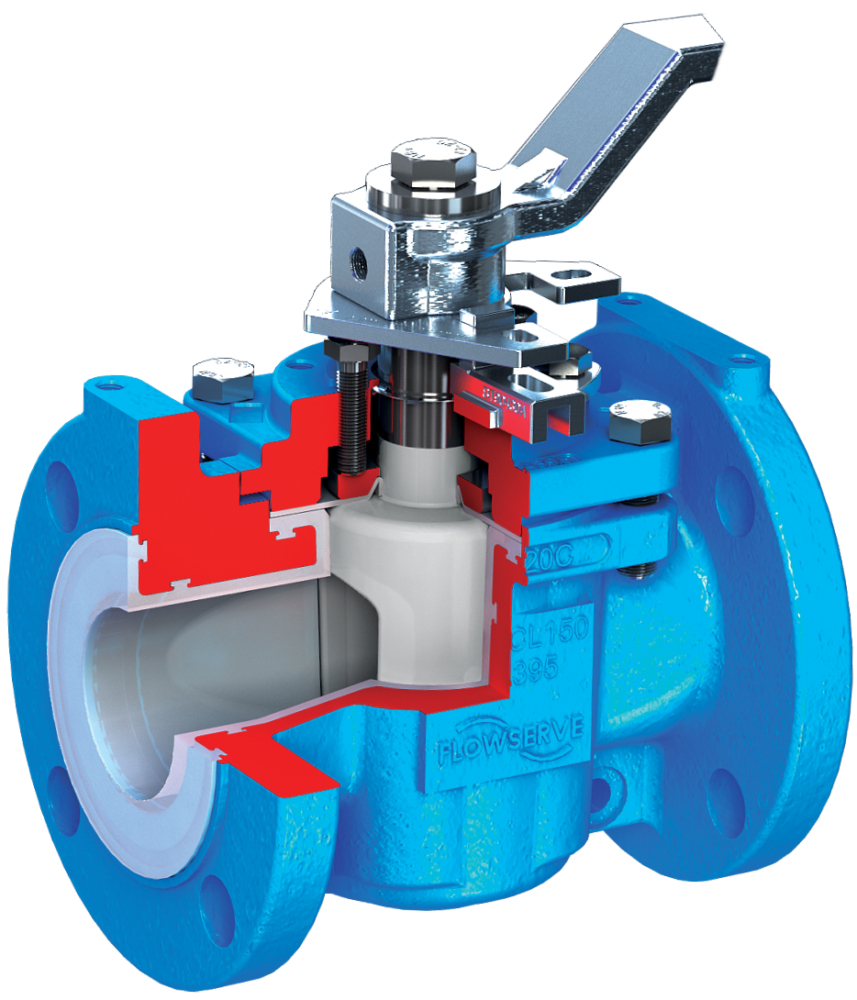
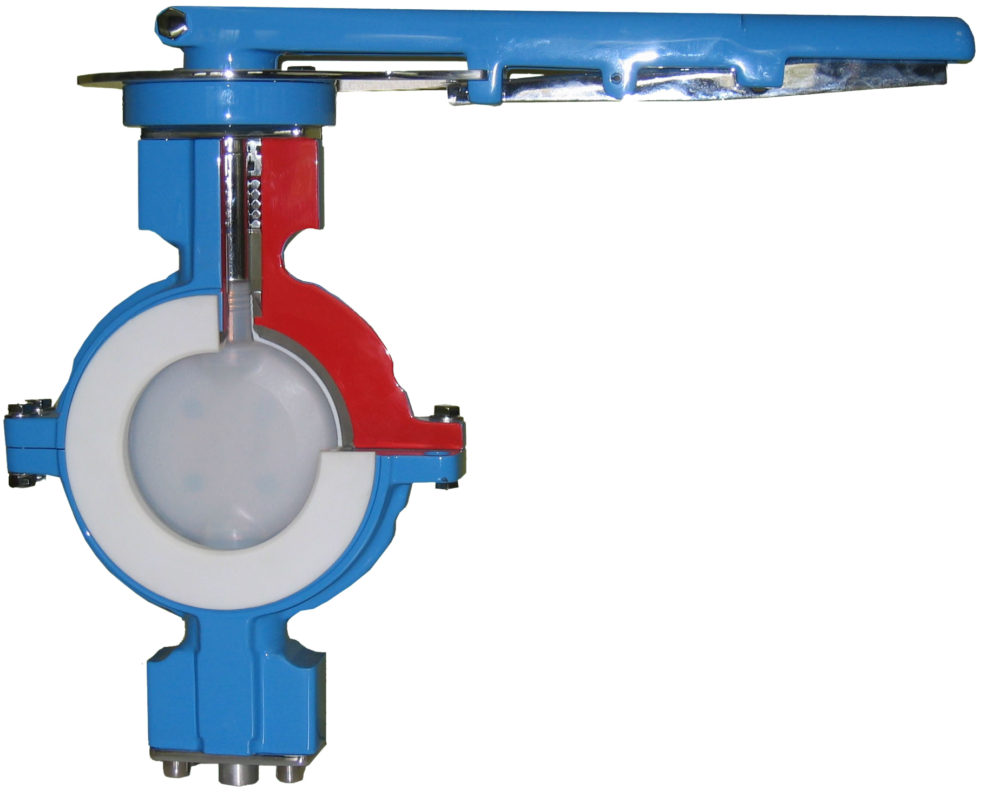
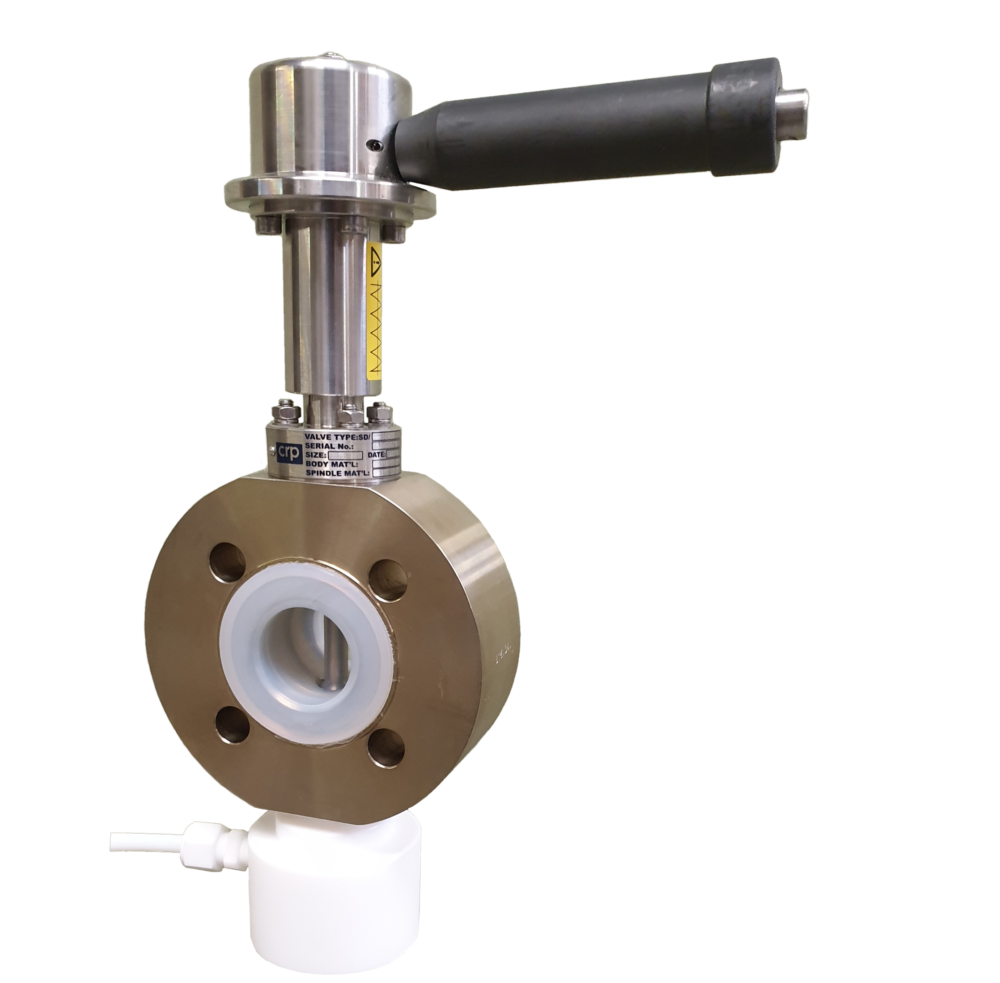
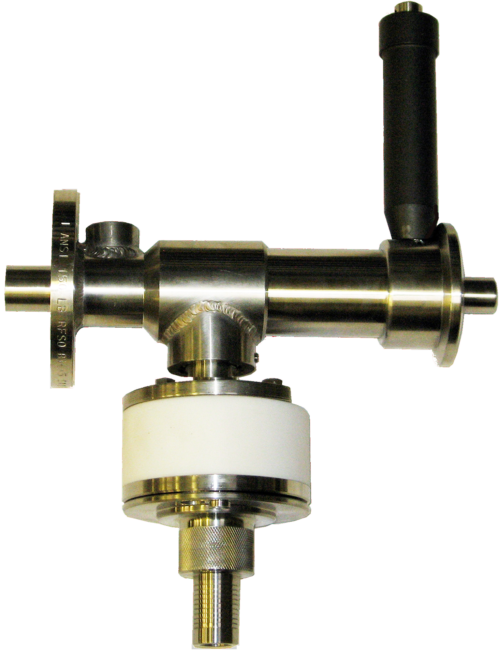
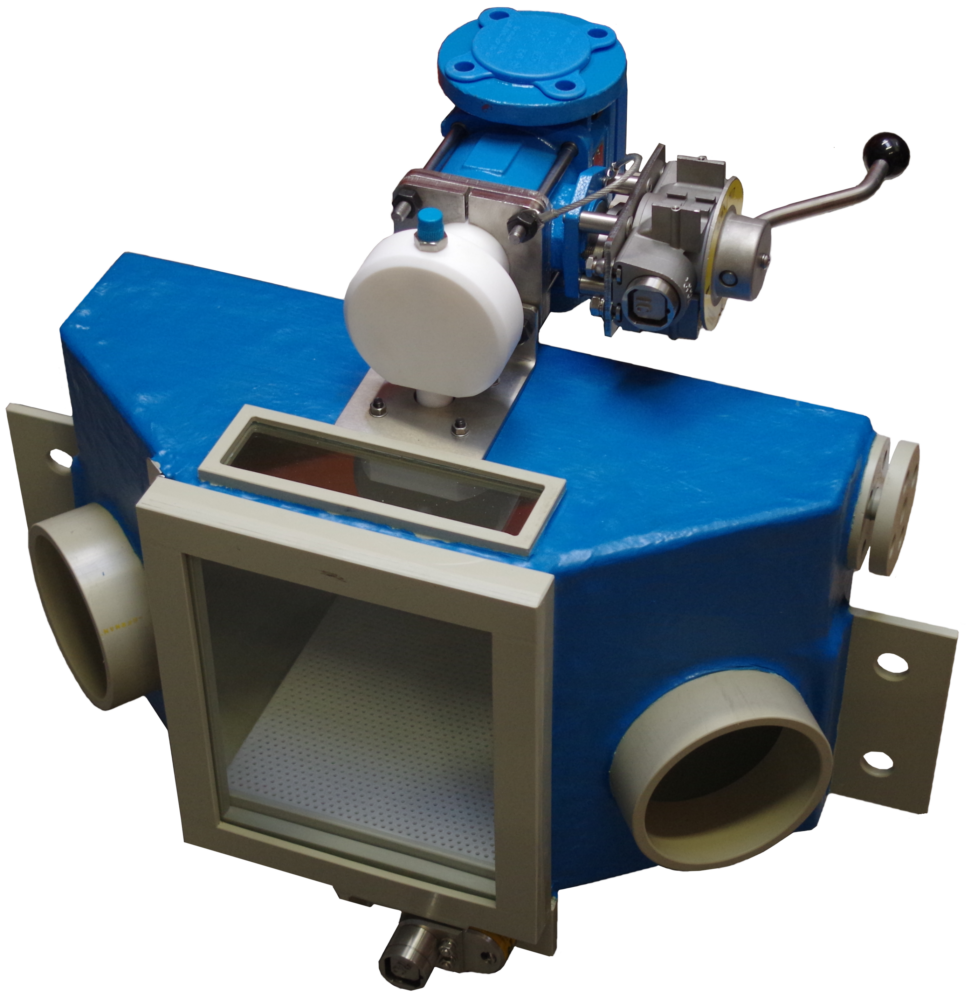
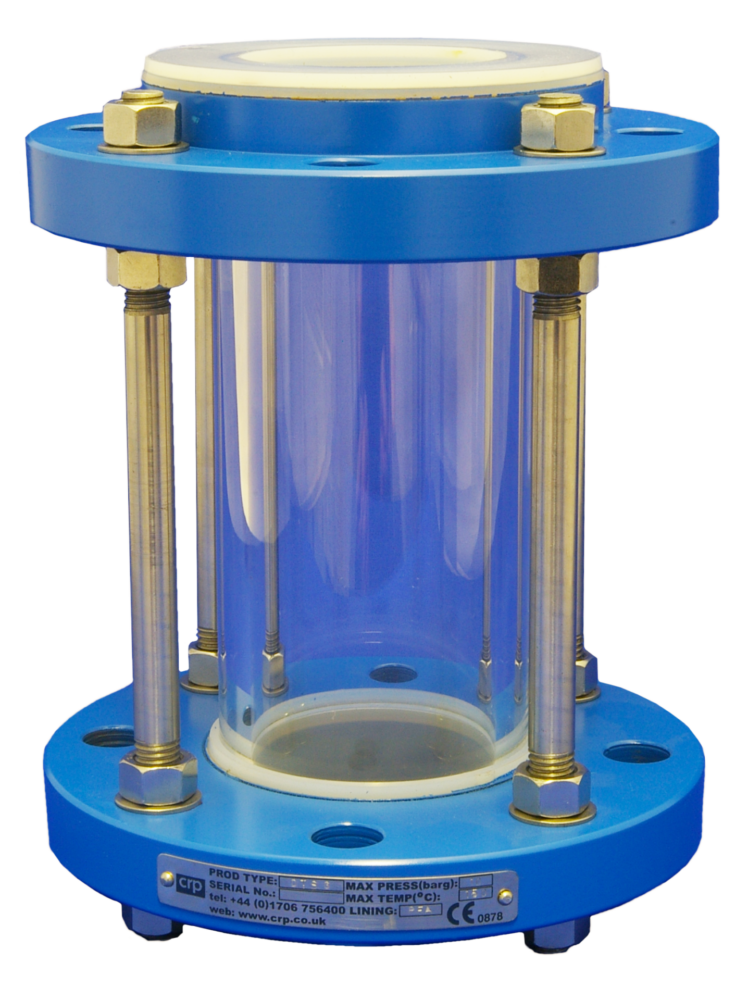
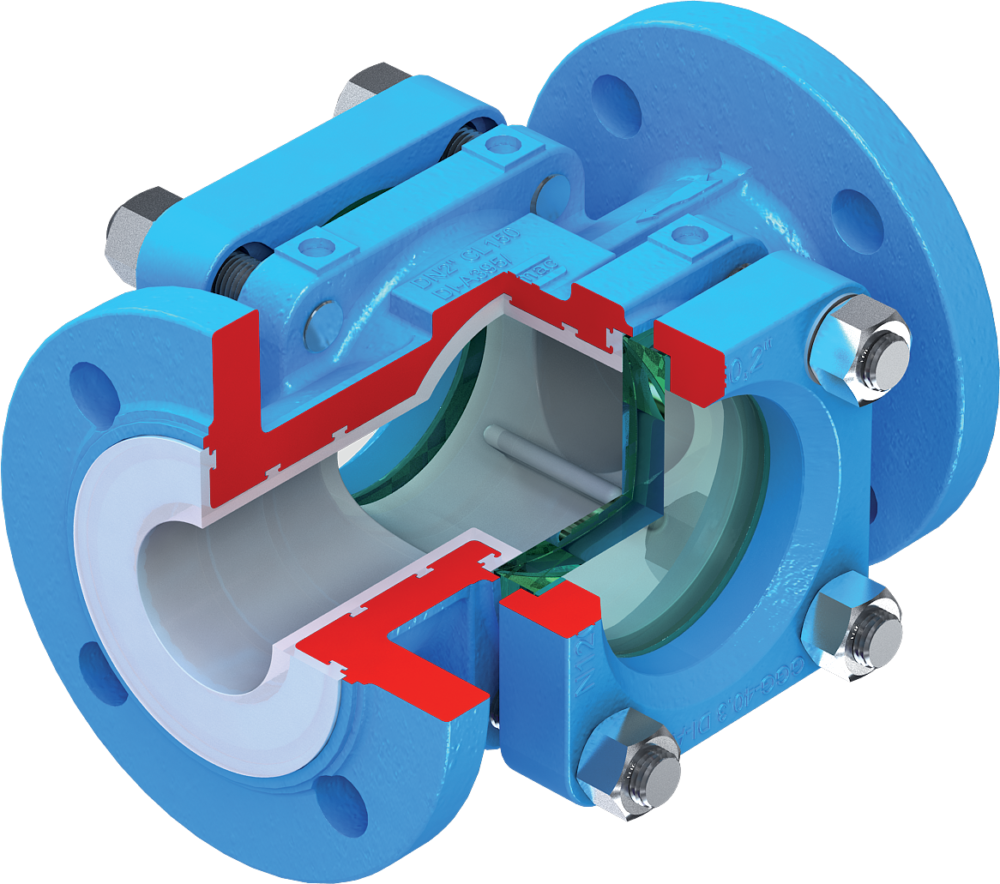
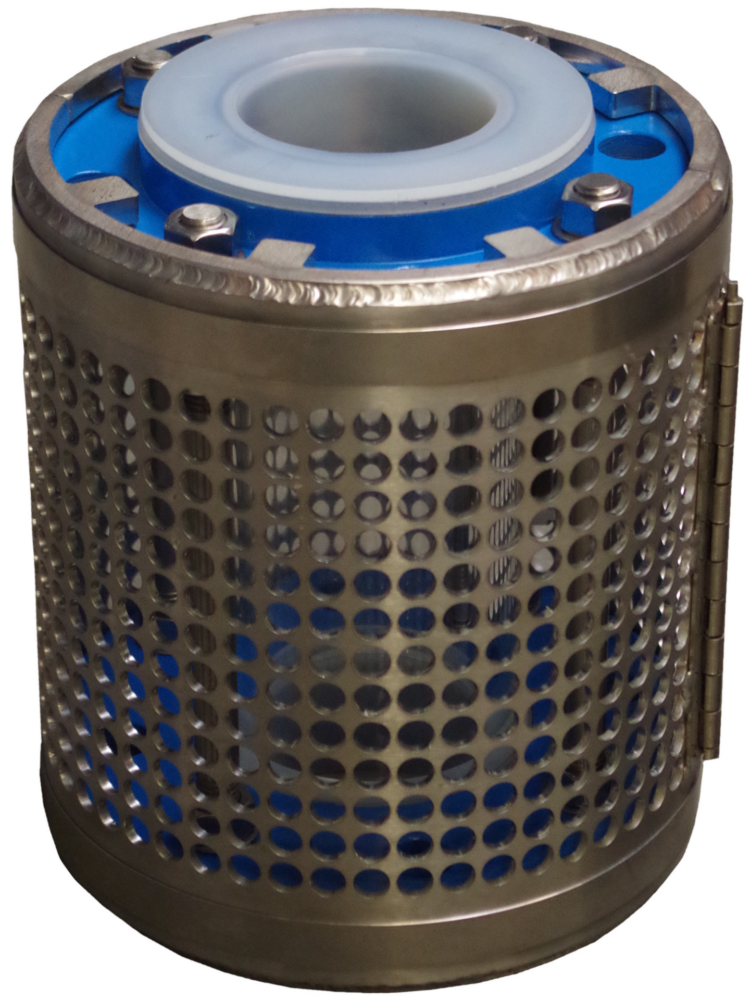
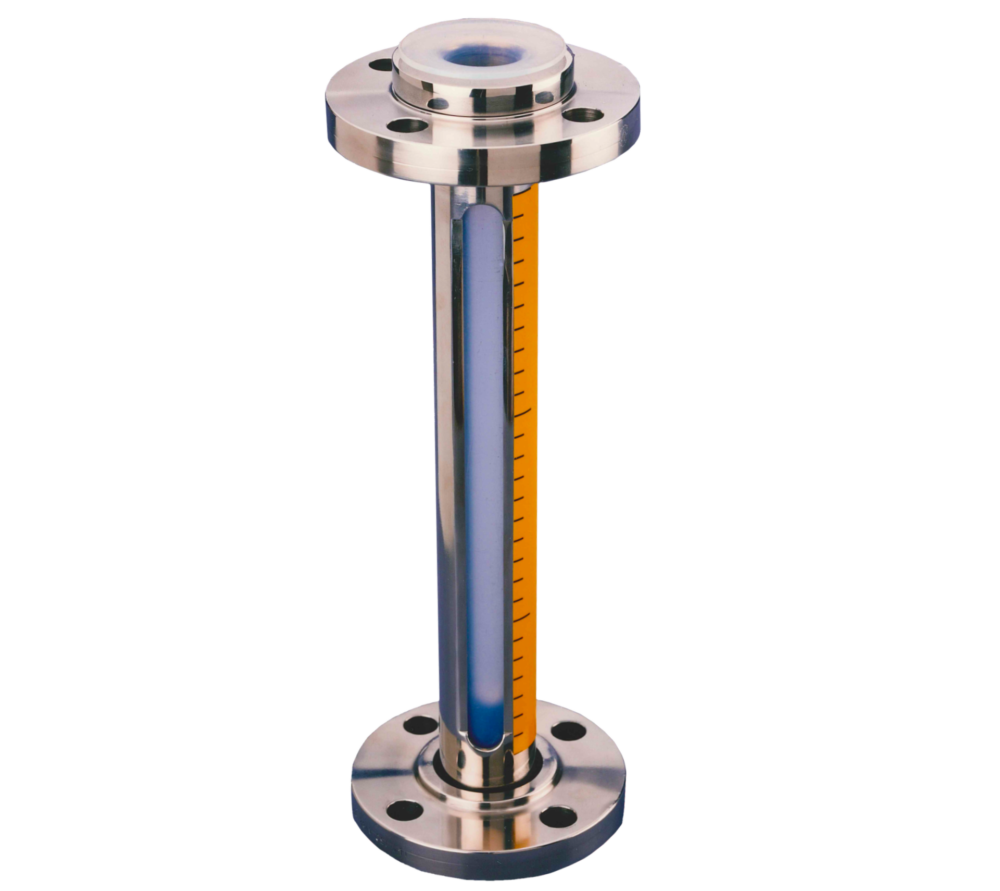
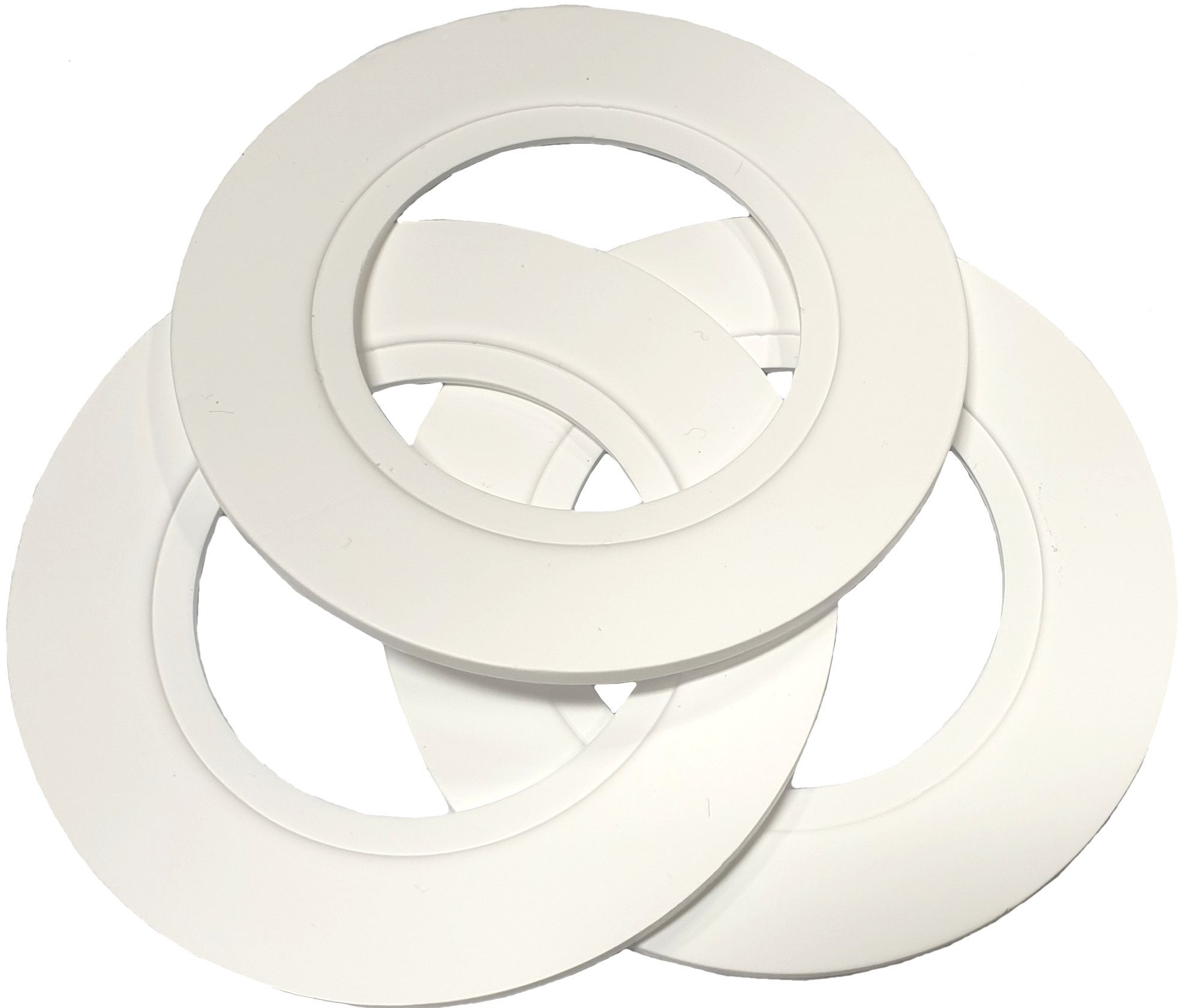
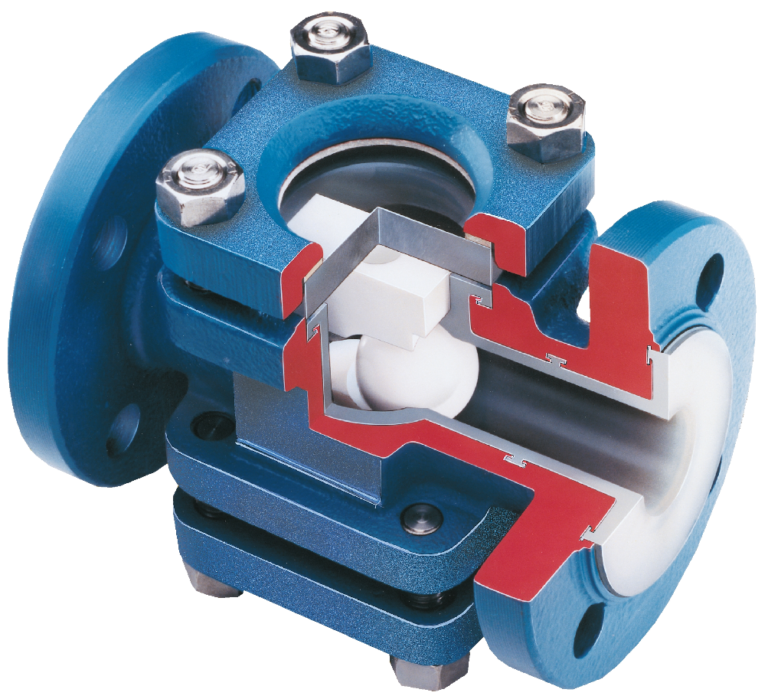
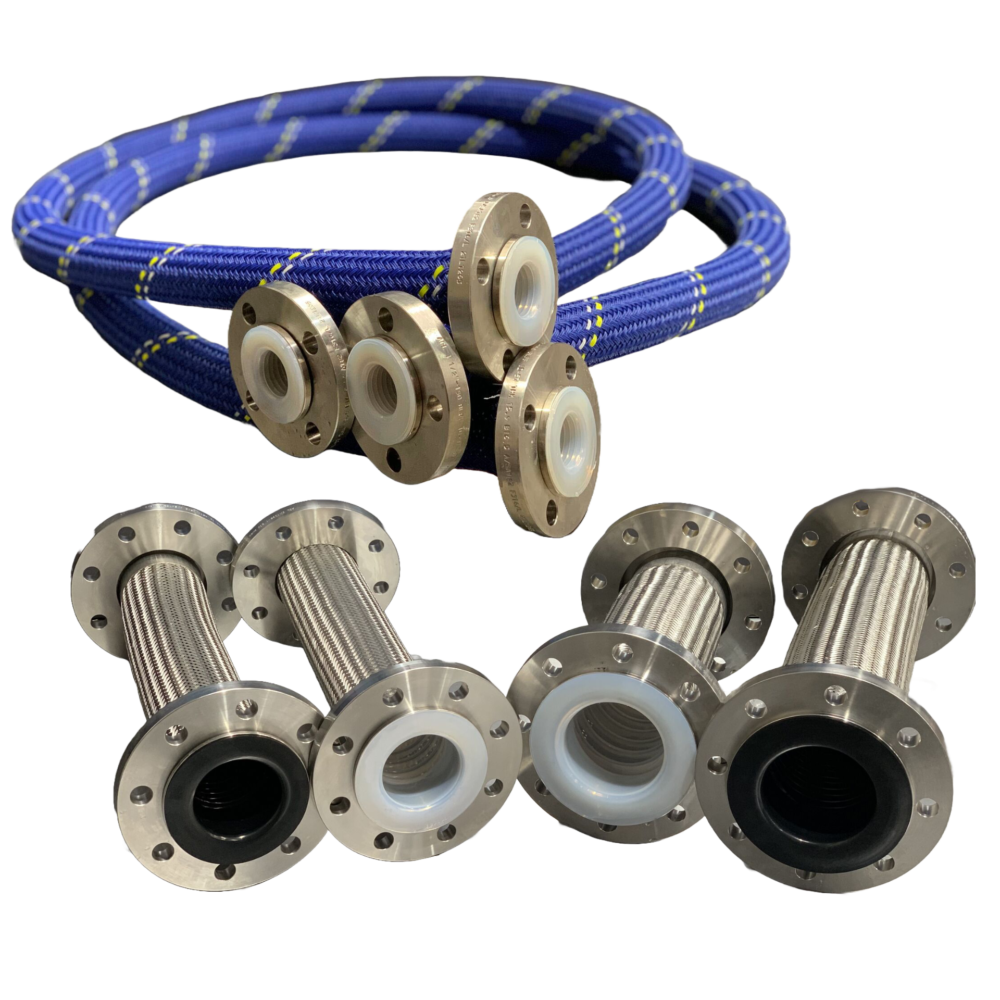
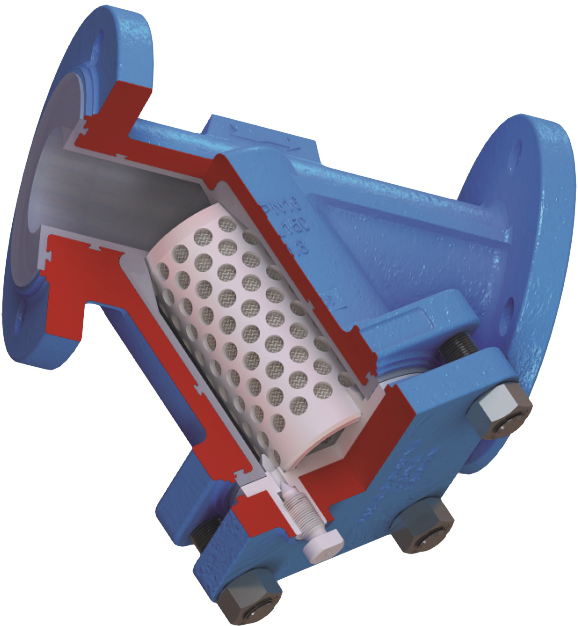
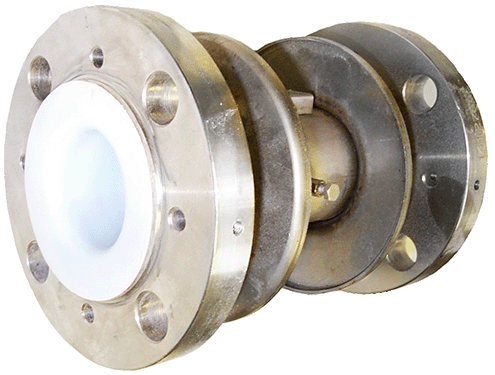
PTFE (Polytetrafluoroethylene) is widely recognised for its exceptional chemical resistance and is commonly used to line ball valves intended for corrosive service. PTFE-lined ball valves combine the structural strength of a metal valve body with the corrosion resistance of fluoropolymer materials.
Key Benefits:
Chemical Resistance
PTFE is resistant to a wide range of aggressive chemicals and solvents, making it suitable for numerous chemical processing applications.
Reduced Corrosion
The fluoropolymer lining protects the valve body from contact with the process media, helping to extend service life.
Improved Product Purity
The non-reactive nature of PTFE helps minimise contamination risks in applications where product quality is critical.
Lower Maintenance Requirements
By reducing corrosion-related failures, lined ball valves can help lower maintenance costs and increase plant reliability.
Typical Applications
Ball valves are commonly used throughout chemical manufacturing facilities, including:
Chemical Transfer Systems
Used to isolate process lines transporting corrosive liquids between storage tanks, reactors and processing equipment.
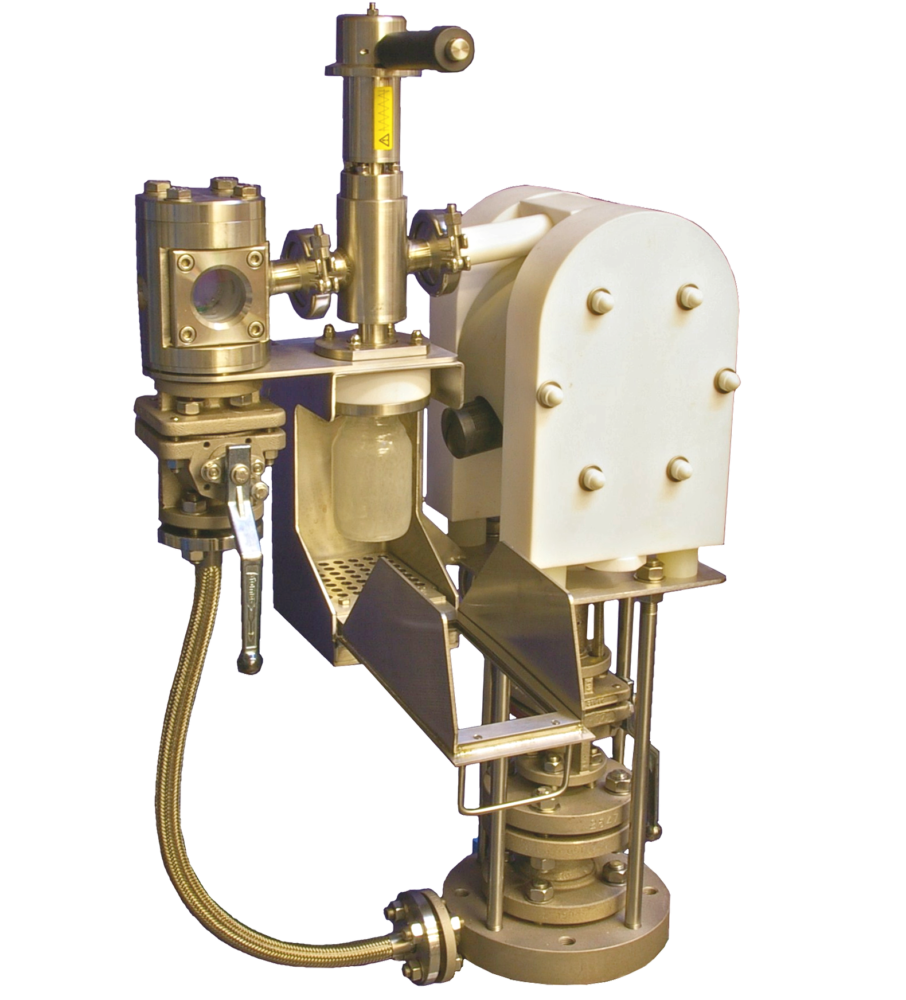
Dosing and Metering Systems
Provide reliable isolation within chemical injection and treatment systems.
Storage Tank Connections.
Allow operators to safely control the flow of chemicals entering or leaving storage vessels.
Process Equipment Isolation
Installed around pumps, heat exchangers, reactors and filtration systems to facilitate maintenance activities.
Waste Treatment Systems
Used in effluent and waste handling applications where exposure to aggressive chemicals is common.
Selecting the Correct Ball Valve
Choosing the right valve requires consideration of several factors.
Chemical Compatibility
The valve lining, seats and seals must be compatible with the media being handled.
Operating Temperature
Temperature can significantly affect material performance and service life.
Pressure Requirements
The valve must be rated for the maximum operating pressure within the system.
Flow Characteristics
Full-port and reduced-port designs may offer different performance characteristics depending on process requirements.
Industry Standards
The selected valve should comply with relevant industry regulations and plant specifications.
The Importance of Specialist Materials Expertise
Valve selection in the chemical industry is rarely a one-size-fits-all exercise. Understanding the interaction between process media, operating conditions and construction materials is essential for achieving long-term reliability.
Working with suppliers experienced in corrosion-resistant process equipment can help ensure that the most suitable valve configuration is selected for each application, reducing operational risks and supporting plant uptime.
Conclusion
Ball valves play a vital role in chemical processing operations, providing dependable flow control and isolation across a wide range of applications. Their simple design, operational reliability and ability to deliver tight shut-off make them a preferred choice for many process engineers.
Where aggressive chemicals are involved, PTFE-lined ball valves offer a practical solution by combining the strength of metallic valve construction with the exceptional corrosion resistance of fluoropolymer materials. By carefully assessing process conditions and material compatibility, operators can maximise performance, enhance safety and extend equipment life throughout their chemical handling systems.