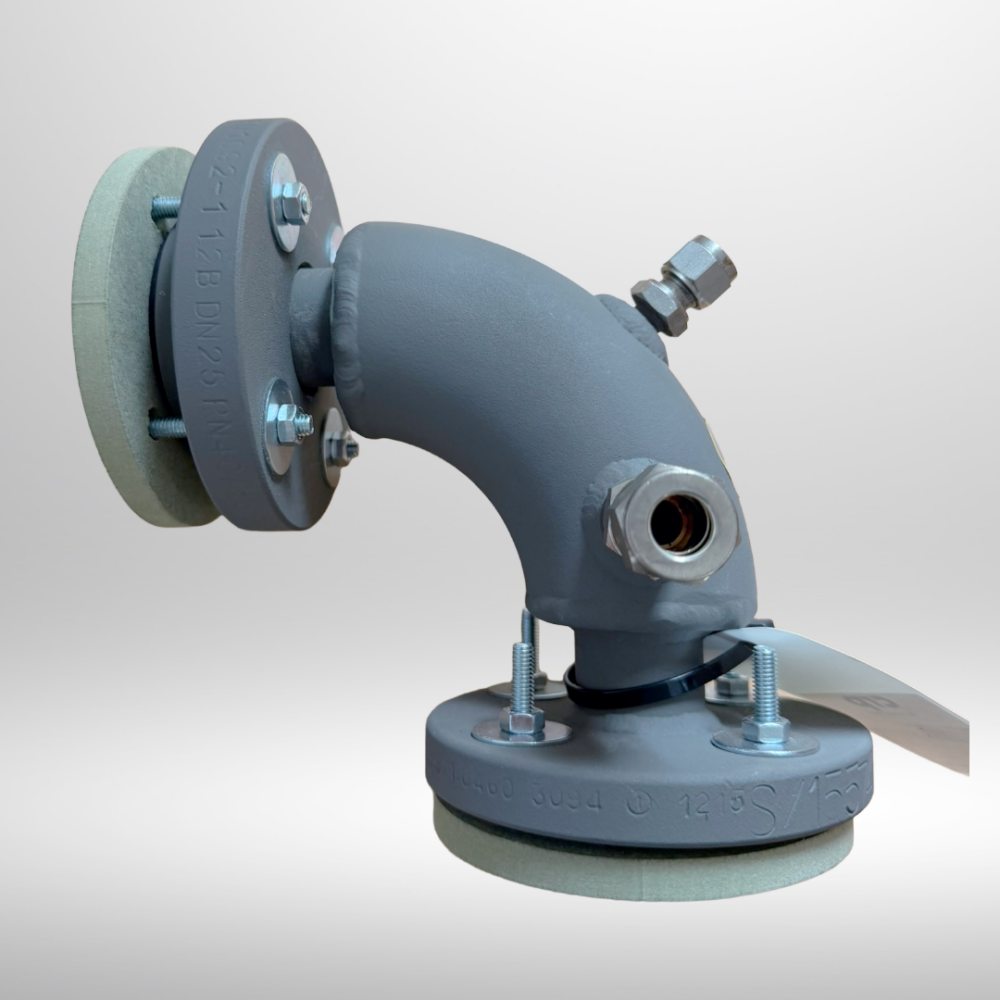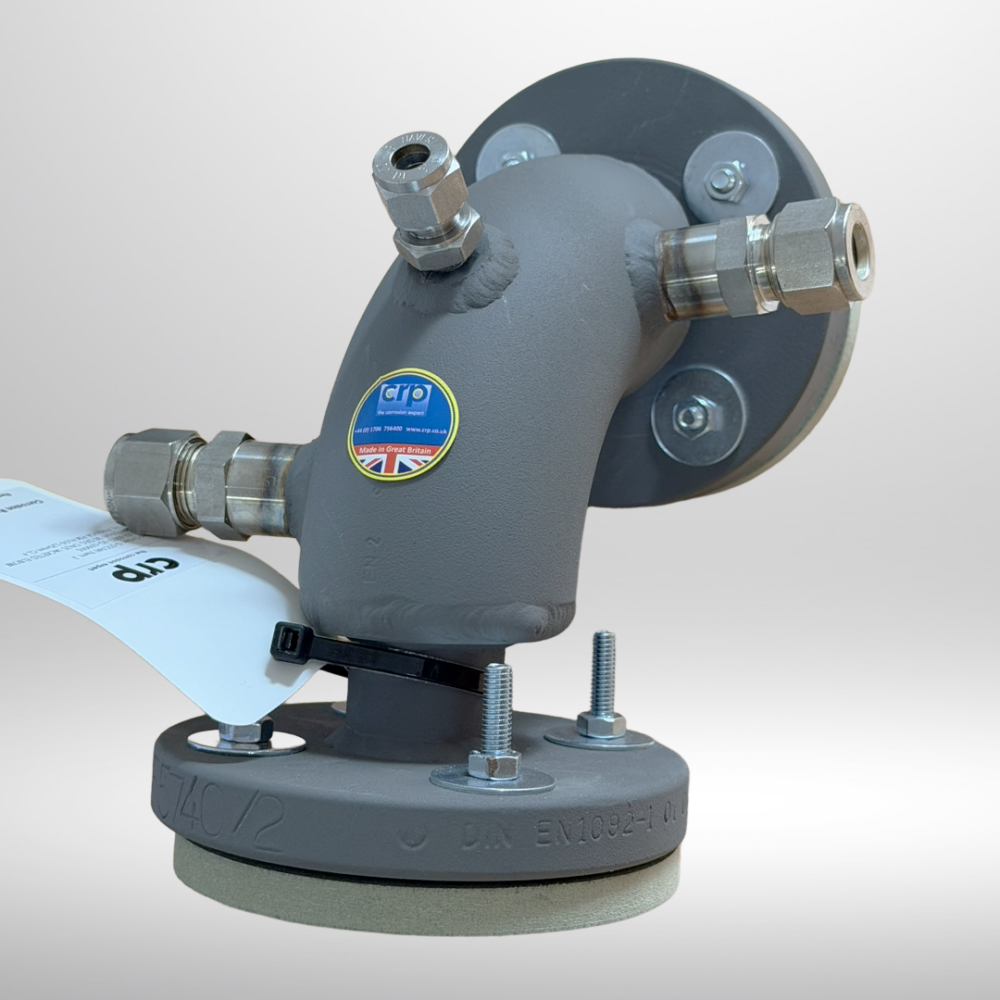
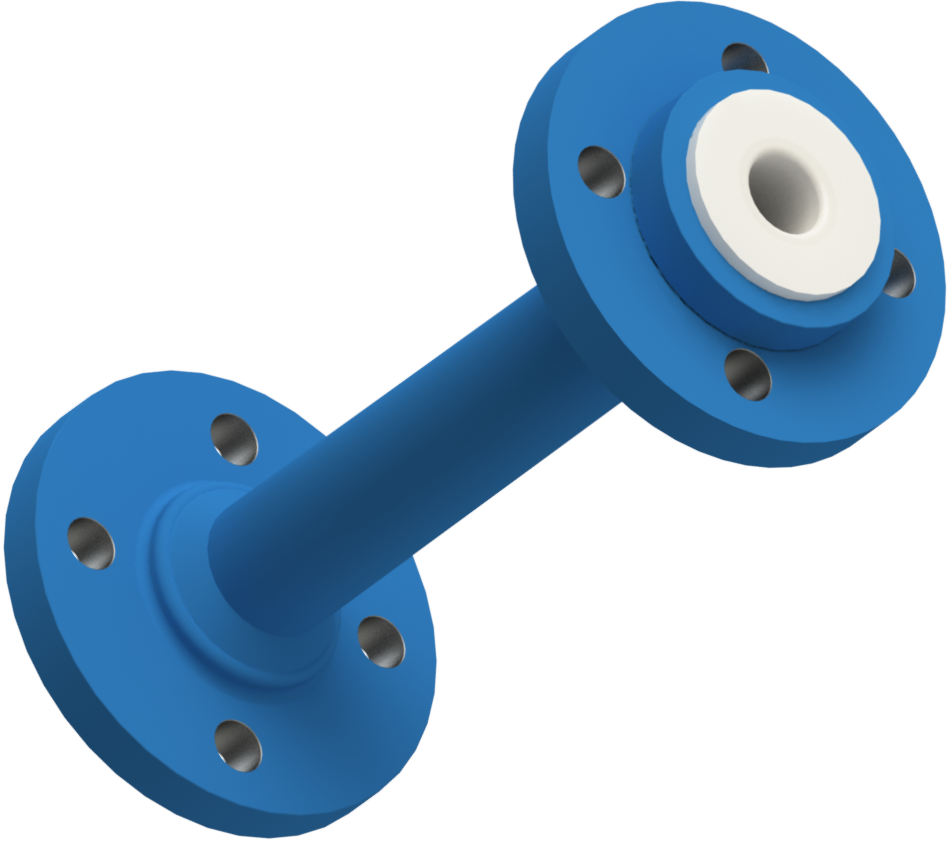
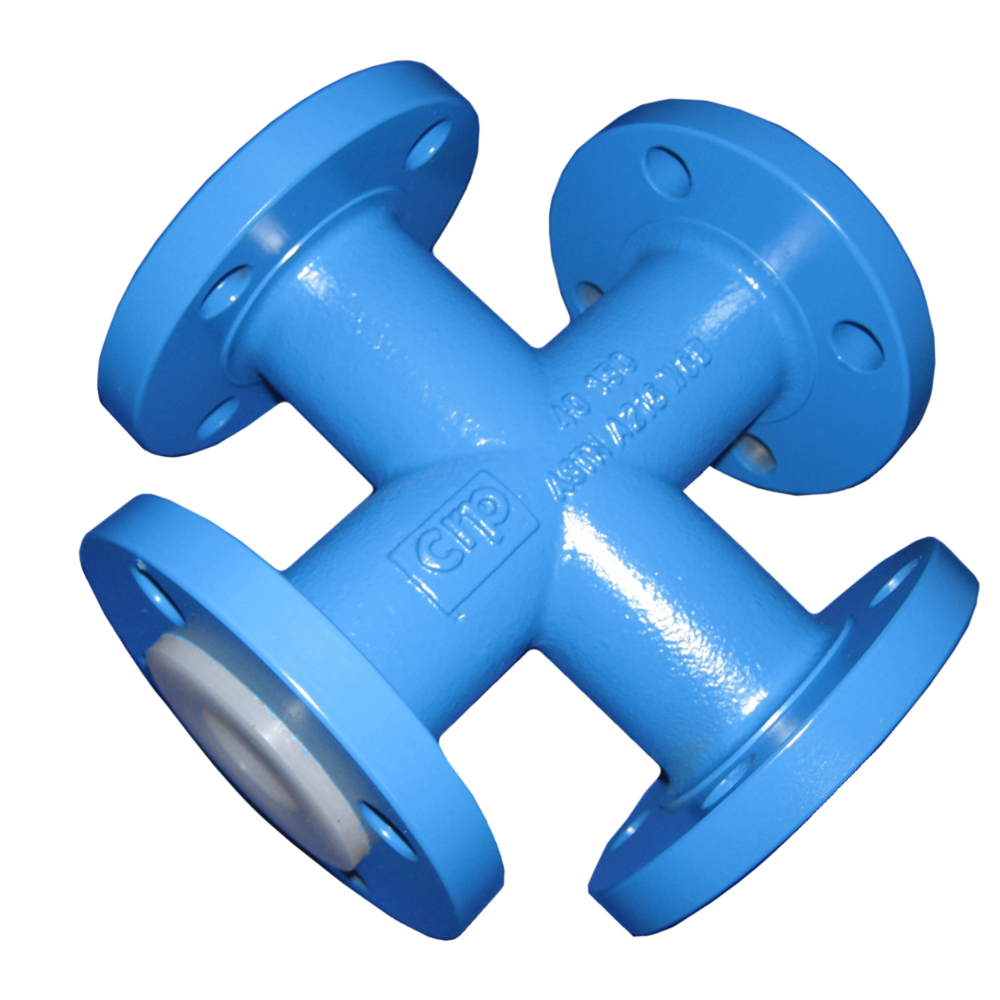








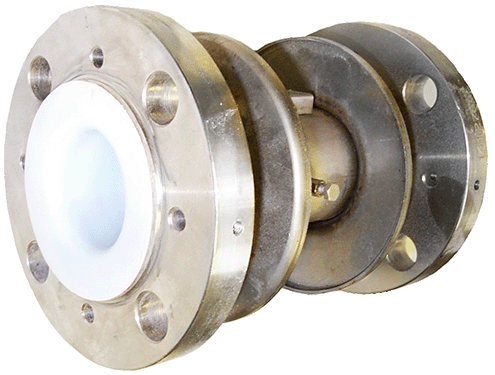






In the chemical industry, maintaining precise process temperatures is often just as important as selecting the correct corrosion-resistant materials. For applications involving aggressive chemicals, viscous products, temperature-sensitive media or fluids prone to crystallisation, jacketed elbows provide an effective solution for both corrosion protection and accurate temperature control.
CRP’s PTFE and PFA lined jacketed elbows are designed to withstand corrosive chemical environments while ensuring process temperatures remain stable throughout the piping system. By allowing a heating or cooling medium to circulate around the lined fitting, jacketed elbows help maintain product quality, improve process efficiency and protect the integrity of the lining.
What is a Jacketed spool, tee or elbow?
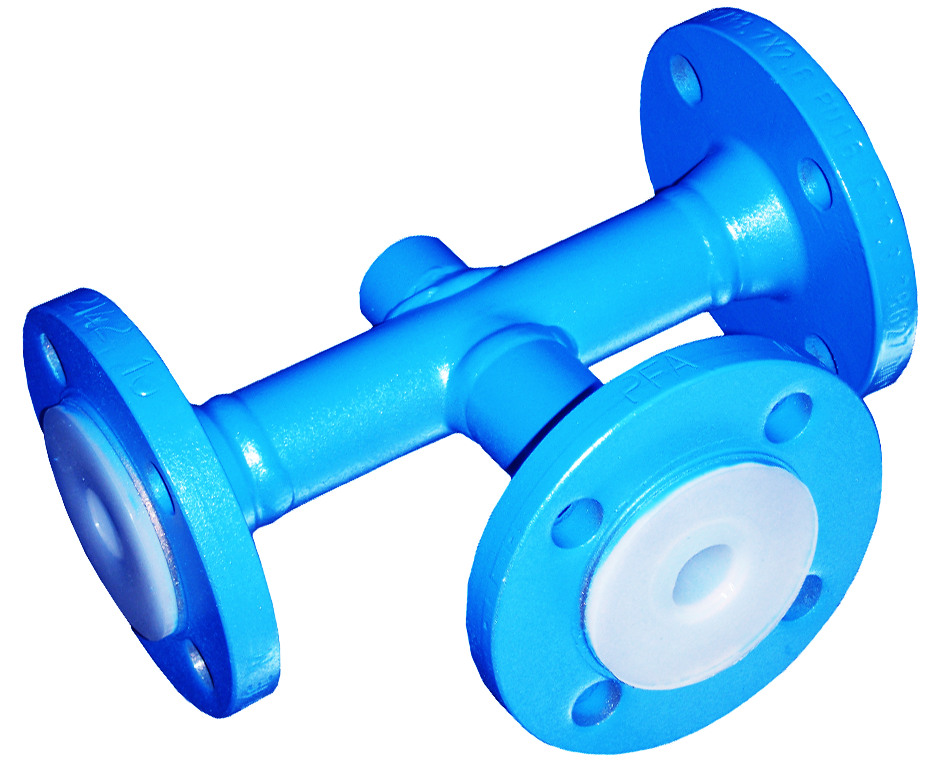
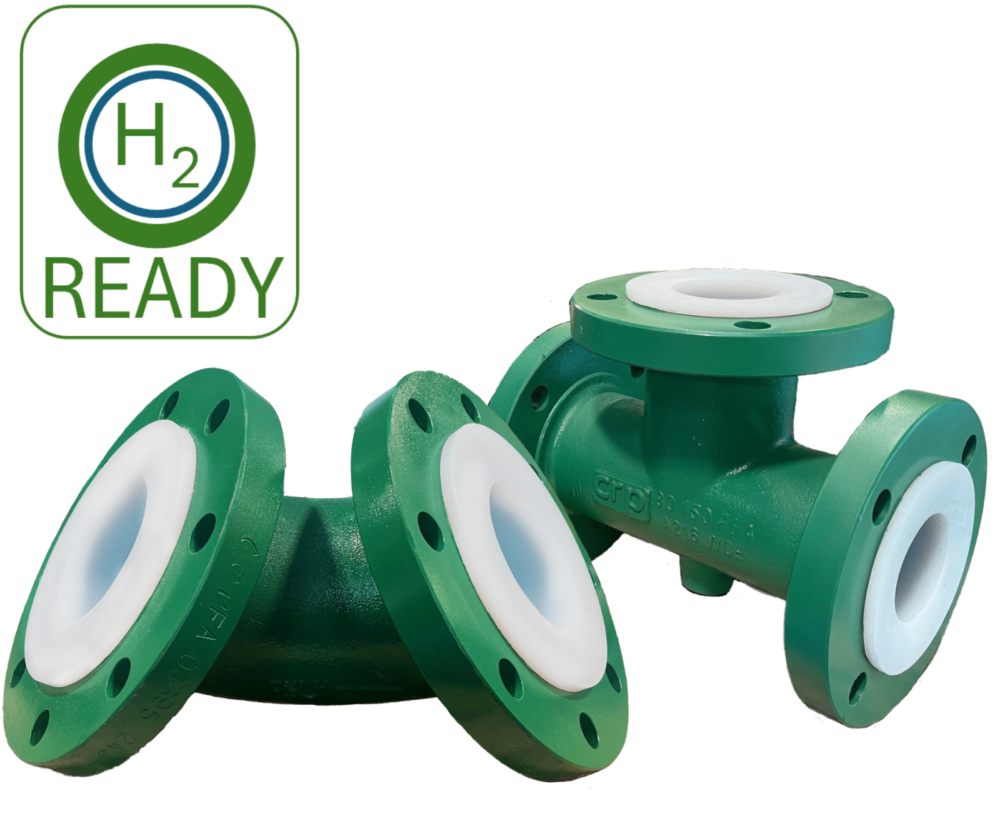
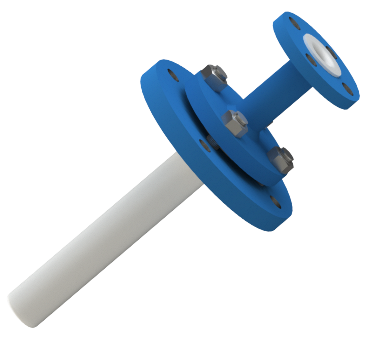
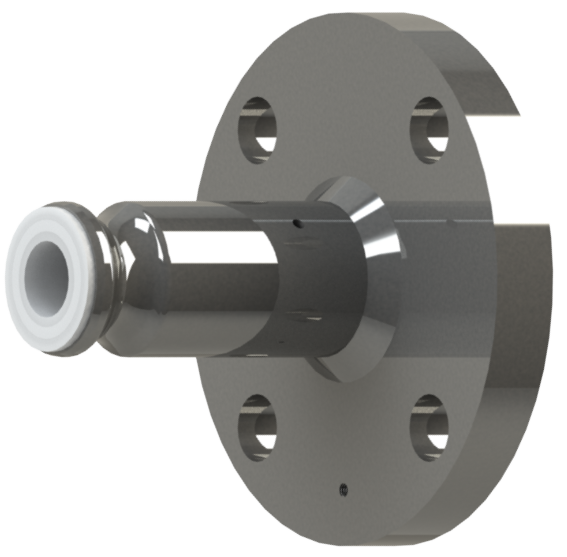
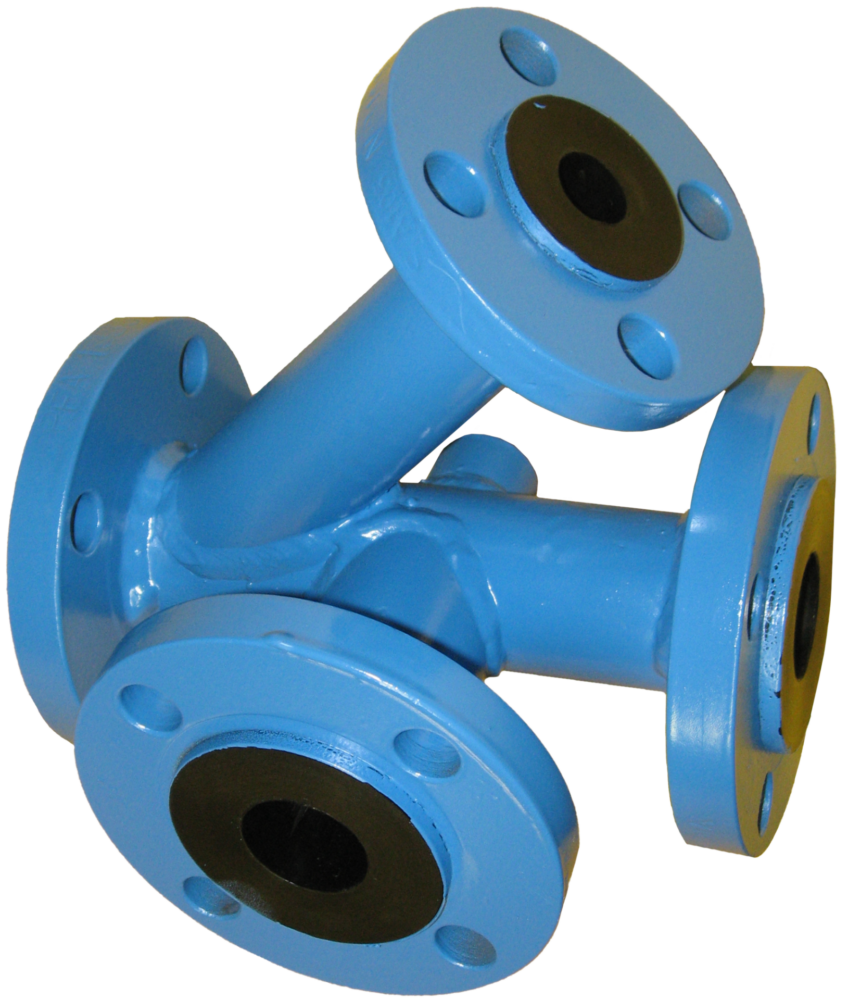
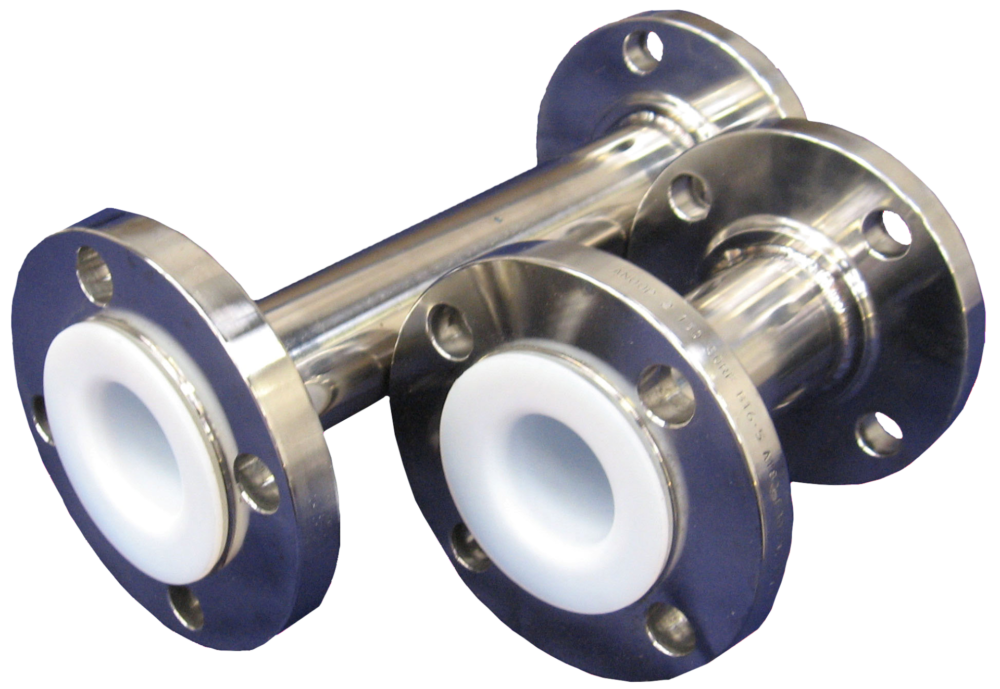
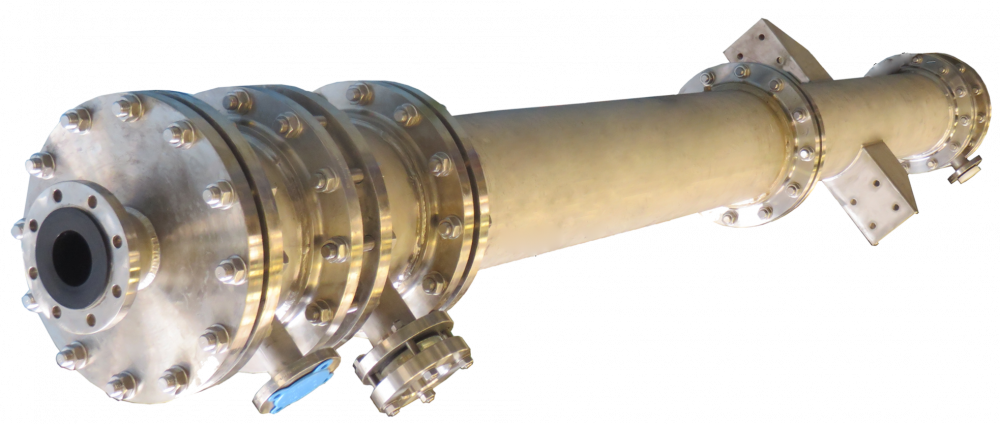
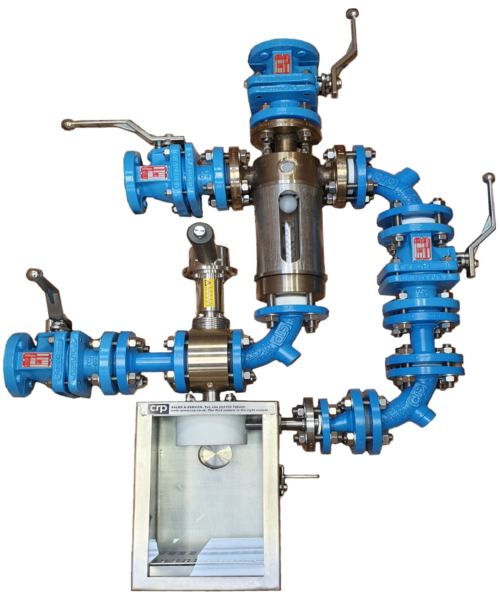
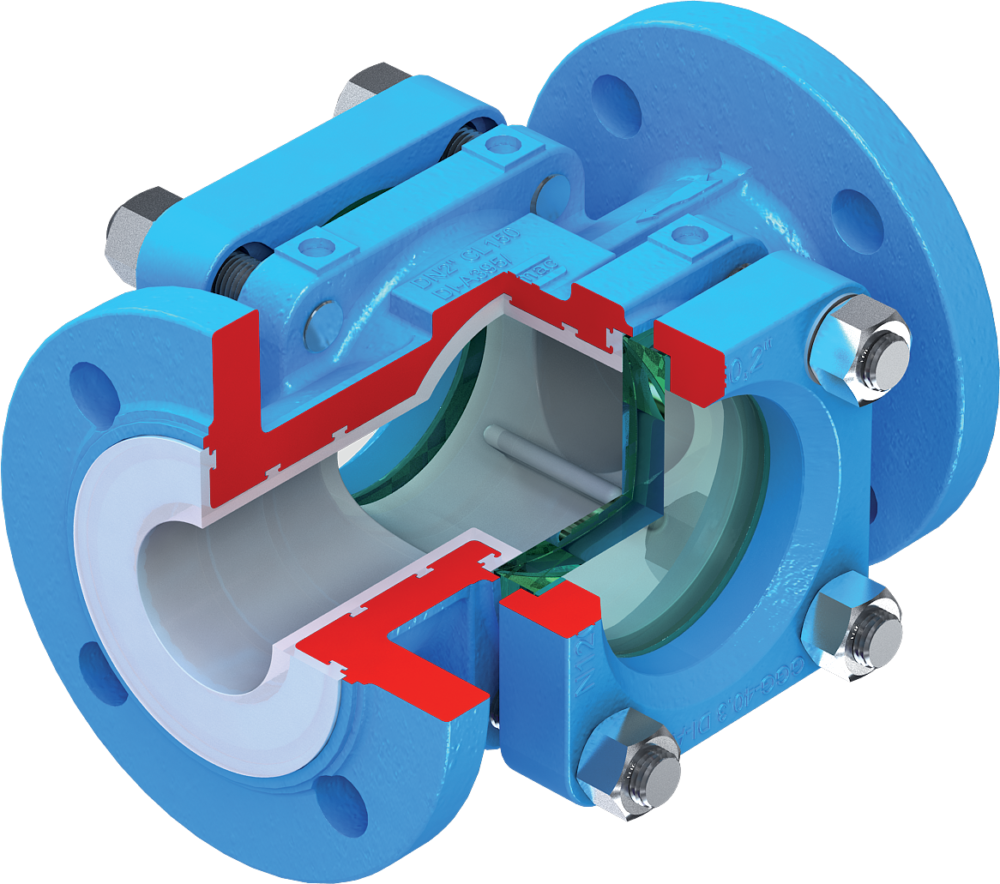
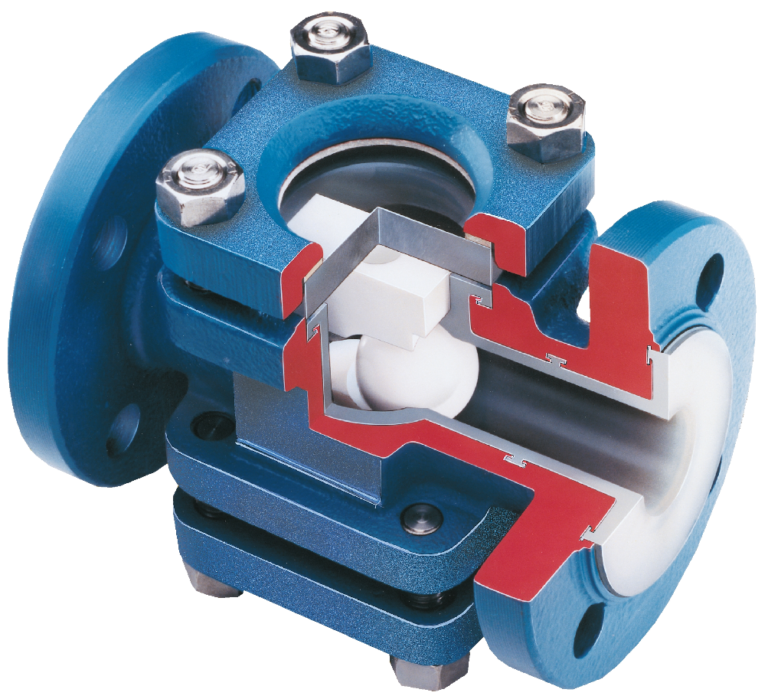
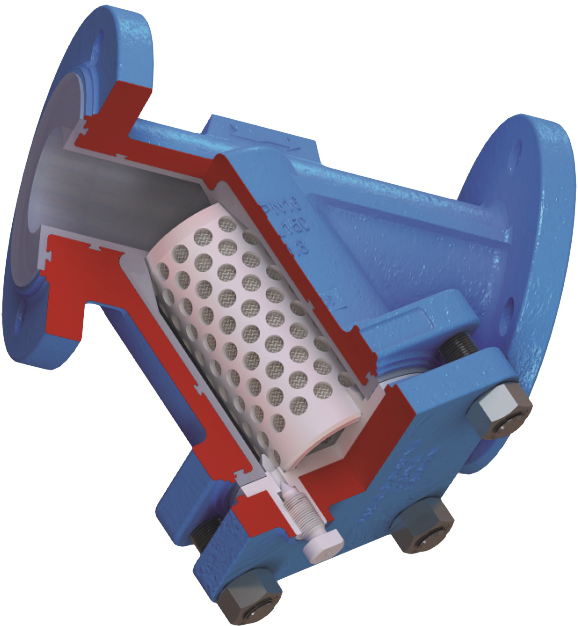
A jacketed elbow consists of a corrosion-resistant PTFE or PFA lined spool, tee or elbow enclosed within an outer steel jacket. This secondary chamber allows steam, hot water, thermal oil or cooling media to circulate around the fitting, transferring heat evenly to the process fluid flowing through the pipework.
Unlike conventional heating methods, jacketed elbows deliver uniform heat distribution around the entire fitting, reducing temperature variations and helping to eliminate localised hot spots that can negatively affect process performance.
For chemical handling applications, jacketed elbows are commonly incorporated into complete heat-controlled pipework systems, ensuring temperature consistency through bends, tees and other standard pipes.
The Importance of Temperature Control in Chemical Processing
Many chemical manufacturing processes depend on maintaining products within a specific temperature range. Variations in temperature can affect:
- Product viscosity
- Flow characteristics
- Reaction efficiency
- Crystallisation rates
- Product quality
- Process reliability
Lined pipework systems manufactured from PTFE and PFA offer outstanding corrosion resistance, making them ideal for handling aggressive chemicals such as acids, alkalis and solvents. However, fluoropolymers naturally have relatively low thermal conductivity compared to metals.
This is where jacketed pipework and fittings become particularly beneficial. The external heating jacket enables a controlled heat or cooling, ensuring process temperatures can be maintained without compromising the corrosion-resistant lining.
Benefits of Jacketed PTFE and PFA Lined Elbows
Controlled Heat Transfer
One of the primary advantages of a jacketed elbow is its ability to provide a smooth and controlled increase in process temperature. This gradual heating approach helps overcome the inherently low thermal conductivity of PTFE and PFA while reducing thermal shock within the system.
Reduced Risk of Liner Damage
By promoting even heat distribution around the fitting, jacketed elbows help minimise temperature differentials that can place stress on the liner. This reduces the potential for liner collapse, distortion or damage caused by uneven heating.
Improved Product Flow
In many chemical handling applications, maintaining the correct temperature is essential for controlling fluid viscosity. Jacketed elbows help keep products flowing efficiently through the piping system, particularly when handling high-viscosity chemicals or temperature-sensitive products.
Prevention of Crystallisation
Certain chemicals can crystallise when temperatures fall below critical levels. Heat-controlled pipework incorporating jacketed elbows helps maintain stable operating conditions and reduces the likelihood of product solidification within the process line.
Process Consistency
Stable temperatures throughout the pipework network contribute to improved process control, helping operators achieve more consistent manufacturing conditions and product quality.
Suitable Heating and Cooling Media
Jacketed elbows can be used with a range of heating and cooling media, including:
- Steam
- Hot water
- Thermal oil
- Glycol systems
- Chilled water
The flexibility of jacketed pipework makes it suitable for both heating and cooling applications across numerous industrial processes.
Applications within the Chemical Industry
Jacketed elbows are commonly specified for:
- Chemical manufacturing plants
- Pharmaceutical production facilities
- Fine chemical processing
- Speciality chemical production
- Petrochemical facilities
- Batch process systems
- High-purity process lines
They are particularly valuable wherever product viscosity, temperature stability or crystallisation prevention are critical process considerations.
Operating Temperature Capabilities
PTFE and PFA lined jacketed elbows can typically operate at temperatures equivalent to the maximum operating temperature of the fluoropolymer lining, up to approximately 200°C, or the required process temperature where lower limits apply.
In addition to high-temperature service, jacketed pipework systems can also be successfully utilised in cryogenic applications, provided the steel jacket and associated components are specified using materials suitable for low-temperature operation.
A Reliable Solution for Heat-Controlled Chemical Pipework
For chemical processing operations where corrosion resistance and precise temperature control are equally important, jacketed elbows provide a dependable and effective solution. Combining the chemical resistance of PTFE or PFA linings with efficient external temperature regulation allows operators to protect their process, maintain product quality and maximise system reliability.
As part of a complete jacketed pipework system, jacketed elbows help ensure consistent process temperatures through every section of the line, making them an essential component in modern chemical handling and heat-controlled process applications.